

Mechanical vs. Electronic Locking Systems
Every commercial or hospitality project reaches the same decision point: which locking systems actually belong on the specification. Get it wrong and you’re either over-engineering a back-of-house door with access control it doesn’t need or under-specifying a fire exit that won’t pass inspection. The choice between mechanical and electronic locking systems isn’t just a hardware preference; it affects compliance, budget, and how the building operates for the next twenty years, long after the contractor has handed over the keys.
Mechanical Locking Systems: Reliable, Code-Compliant, Low-Maintenance
Mechanical locking systems remain the default for the majority of doors in any commercial building service corridors, plant rooms, staff areas, fire exits. They don’t depend on power, they’re straightforward to maintain, and multipoint locking systems in particular give hospitality and residential-tower projects the security and weatherproofing a single-point lock can’t. For fire-rated and escape doors, mechanical remains the safer starting assumption simplicity is a feature, not a limitation, when the door has to work in a power outage. They also tend to carry a lower lifecycle cost, since there’s no controller, wiring, or firmware to maintain over the building’s lifespan.
Electronic Locking Systems: Access Control at Scale
Where mechanical systems fall short is scale. A hotel with hundreds of guest rooms, or an office tower with rotating tenants, can’t rely on physical keys alone. Electronic locking systems integrated with access control let facility teams manage, audit, and revoke access without rekeying a single door. The trade-off is dependency on power and network infrastructure, which is why electronic specification always needs a fail-safe or fail-secure decision built in from day one, not retrofitted later. It also needs early coordination with the fire alarm and BMS consultants, since an electronic lock specified on the wrong side of that decision can either fail open when it shouldn’t, or trap people in during an evacuation.
Where Acoustic and Fire Performance Change the Answer
Locking hardware doesn’t get specified in isolation; it has to work with the door assembly around it. A multipoint lock on a door with poor acoustic door seals will pass a hardware spec sheet and still fail an acoustic test on-site. The same applies to fire compliance: locking systems on escape routes fall under the UAE Fire and Life Safety Code of Practice enforced by Dubai Civil Defence, and a system that isn’t tested as part of the full doorset assembly can hold up a snagging list at the worst possible stage of a project.
Get the Specification Right Before It's on Site
The mechanical-vs-electronic decision is rarely one-size-fits-all across a single project most buildings need both, applied deliberately door by door. Aurra’s ironmongery consultation service works through this at specification stage, matching locking systems, seals, and exit hardware to each door’s actual function before it’s locked into a BOQ. Talk to our ironmongery consultants before your next tender goes out.
Frequently Asked Questions
What is the difference between mechanical and electronic locking systems?
Mechanical locking systems operate without power, using keys or multipoint mechanisms, and typically suit fire exits, service doors and areas where reliability matters more than remote control. Electronic locking systems connect to an access control system, letting permissions be managed and audited digitally suited to hotels, offices and buildings with high guest or staff turnover.
Are electronic locking systems required for fire exits in the UAE?
No, fire exits and escape doors in the UAE typically require mechanical panic exit devices that function without power, in line with the UAE Fire and Life Safety Code of Practice. Electronic access control can be layered onto non-escape doors but escape routes should default to fail-safe mechanical hardware.
Can locking systems be integrated with access control?
Yes, electronic and multipoint locking systems can integrate with card, fob, or biometric access control, letting facility teams manage permissions centrally. This is common on hotel guest floors, office towers, and any building with frequent staff or tenant turnover.
Why do acoustic door seals matter for locking system specification?
Acoustic door seals affect how well a door assembly performs against sound transfer, regardless of how well the lock itself is rated, since gaps around the frame let sound bypass the door entirely. They’re specified alongside the locking system, not as an afterthought, particularly in hotels, offices, and healthcare buildings with acoustic requirements.
Recent Post
-
 26 Aug 2026 Metal ArtArtworks for Hotels and Restaurants: What to Get Right Before You Commission
 -
 26 Aug 2026 Metal ArtHow to Maintain Ironmongery in the UAE for Longevity
 -
 26 Aug 2026 Metal ArtTop 10 Benefits of Glass in Modern Architecture
 -
 25 Aug 2026 Metal ArtWhy Architectural Ironmongery Matters in Modern Design
 -
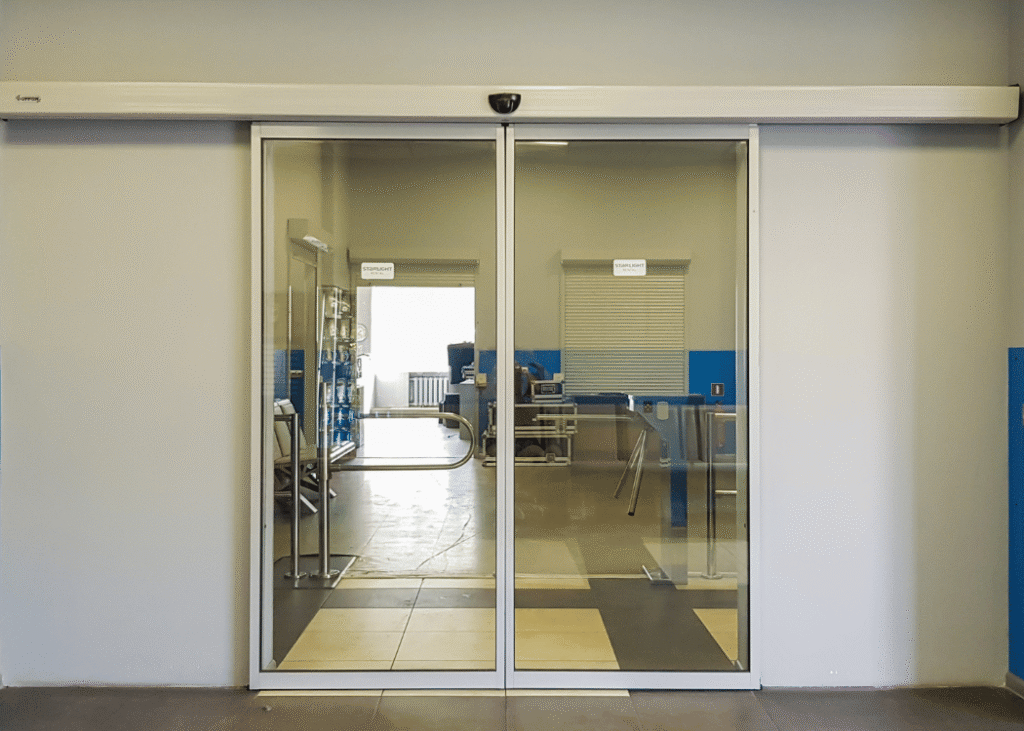 23 Jul 2026 Metal ArtAutomatic Sliding & Swing Door Systems for Commercial and Hospitality Entrances
Stay Inspired with Aurra
Join our newsletter for design insights, new collections, and exclusive updates.


